

Thailand’s climate and landscape are ideal for growing rice, and the country is proud of that. Thai farmers grow a wide range of varieties, including Hom Mali jasmine rice, which is famous around the world. Here are 12 varieties that Thai people eat and love, sorted into four main types.
The Four Types of Thai Rice
- Jasmine rice: Native to Thailand, with an aroma similar to pandan leaves. It is widely grown and eaten.
- Sticky rice: Most of Thailand’s fine glutinous rice is grown in the Northeast.
- White rice: Many varieties of everyday white rice are grown across the country.
- Healthy rice: Unrefined or lightly milled rice that keeps more of its vitamins and fiber.
Jasmine Rice

1. Hom Mali 105
This variety has a pandan-like fragrance and is a major reason Thai rice is known as an export product worldwide. It originated in Chachoengsao Province, where it was found and cultivated in Bang Khla District. Once cooked, it has a delicious, inviting aroma unlike any other rice.
2. Tung Kula Hom Mali
This rice comes from Tung Kula Rong-Hai, the largest plain in the Northeast and one of the world’s best jasmine growing areas. The grains have a glossy sheen and a small germ. When cooked, the rice is fragrant and tender.
Sticky Rice
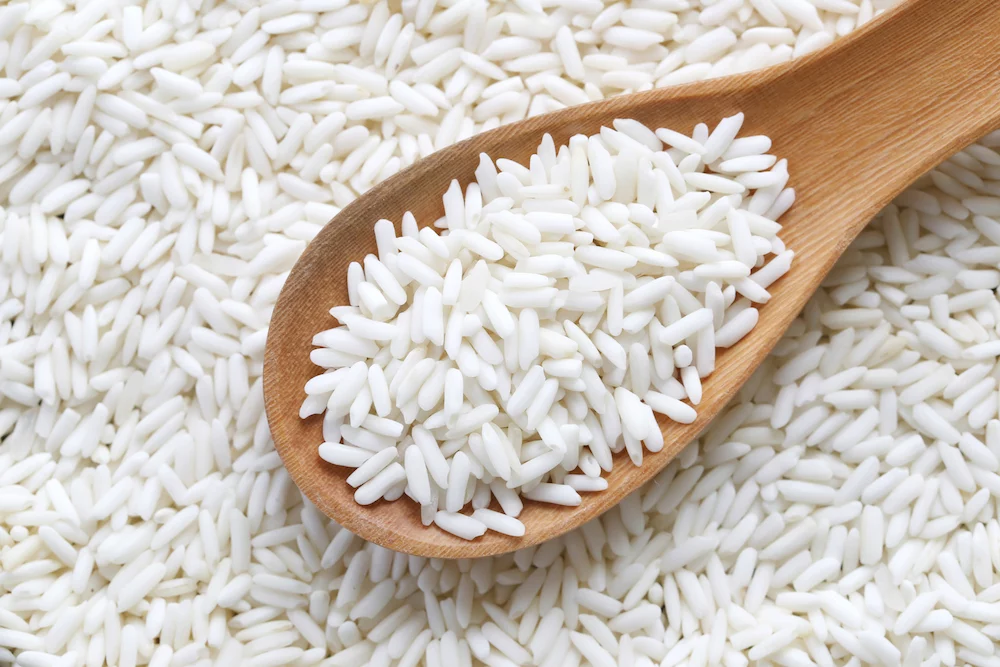
3. RD6 (Kor Kor 6) Glutinous Rice
RD6 has long, slender grains with a brown husk and short hairs on the seed. It is a fragrant sticky rice bred from Hom Mali 105. It tolerates drought, cooks well, and has the highest average yield of any glutinous rice, so it is widely planted in the North and Northeast.
4. Khao Wong Kalasin Sticky Rice
This rice is grown in Kalasin Province in parts of Khao Wong, Kuchinarai, and Na Khu districts, where the soil is rich in calcium and silicon. The cool, dry air and limited water help make the rice very soft and fragrant. Steamed, it doesn’t stick to your hands, and it stays soft even after hours in a closed container.
5. Snake Fang Sticky Rice
This long-grained white rice resists many diseases. Cooked, it is soft and sticky, and the grains stay neatly separate. It has a glossy look and a pleasant aroma, and it is a popular choice for mango sticky rice. It is grown in the north and is especially popular in Chiang Rai Province.
6. Black Glutinous Rice
The grains are purple-black and fairly hard to chew, but this rice is favored over other varieties for desserts. It is often claimed to support heart health, help lower cholesterol, and have anticancer properties.
White Rice
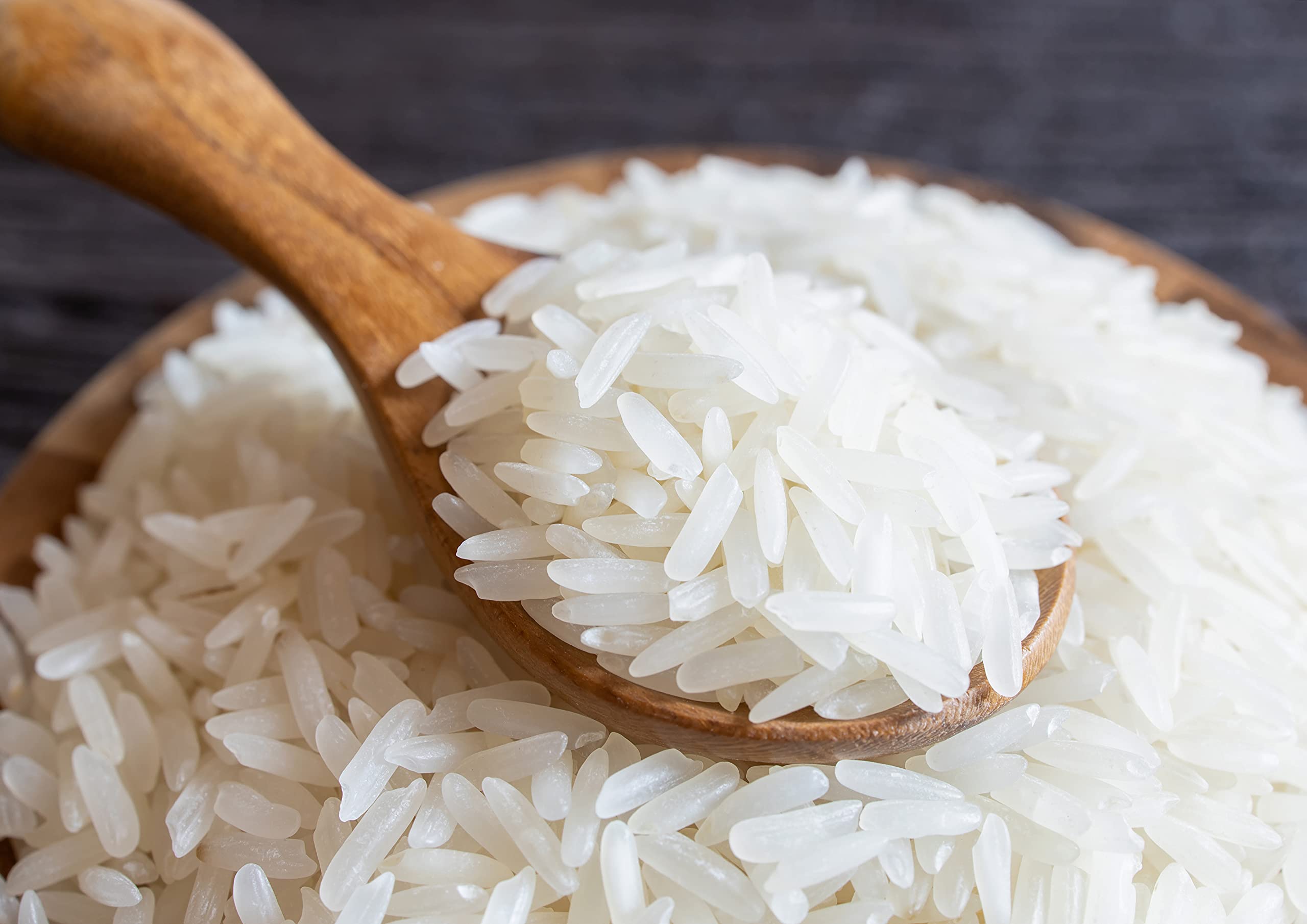
7. Yellow Rice (Pathio)
A traditional native rice of Pathio District in Chumphon. It is a late-season variety harvested in December, with many grains per panicle. It grows well in acidic soil and resists insects and disease. The grains are long, yellow, and heavy. Chumphon farmers like it for its easy cultivation, good yields, and fit with the local climate.
8. Sao Hai Rice
A high-quality native rice from Sao Hai District. Its name comes from a Thai-Chinese merchant called “Jake Choi,” who brought the variety to the area. It has been well known since the early Rattanakosin era.
Healthy Rice

9. Brown Rice
Also called hand-pounded rice or red rice. It used to be husked by hand, and now mills remove only the outer husk. Brown rice has 3 to 7 times more fiber than white rice, along with other beneficial nutrients, and it keeps you full longer.
10. Riceberry
Riceberry was developed by Assoc. Prof. Dr. Apichart and a team at the Rice Science Center. It is a cross between Hom Nil rice (the male parent) and Jasmine 105 (the female parent). The slender grains turn a deep, berry-like purple when ripe. Because it is only partially milled, the texture is soft and slightly sticky. It can be grown year-round.
11. Crab Rice
Known to the Chinese as red rice, this variety has a reddish husk and is classified as a type of brown rice. Its fat content is similar to brown rice, roughly twice that of refined rice. Cooked, it turns light pink and fragrant, with soft, pretty grains that don’t get mushy. It works well in fried rice, baked rice, and porridge.
12. Phatthalung Conch (Sangyod) Rice
Originating in Phatthalung Province, this rice has small, slender grains with curved tips and a red to dark red seed coat. Cooked, the grains are soft and cling together like sticky rice. It is high in fiber and is traditionally valued for supporting circulation and slowing aging.
In Closing
These 12 varieties are eaten daily across Thailand, and each has its own character. They are a source of pride for Thai farmers and are enjoyed around the world.


